
Mold in Miami Beach Condos: What Owners Should Know
Why condos are especially vulnerable to mold, how moisture travels between units, and what owners, HOAs, and property managers can do.
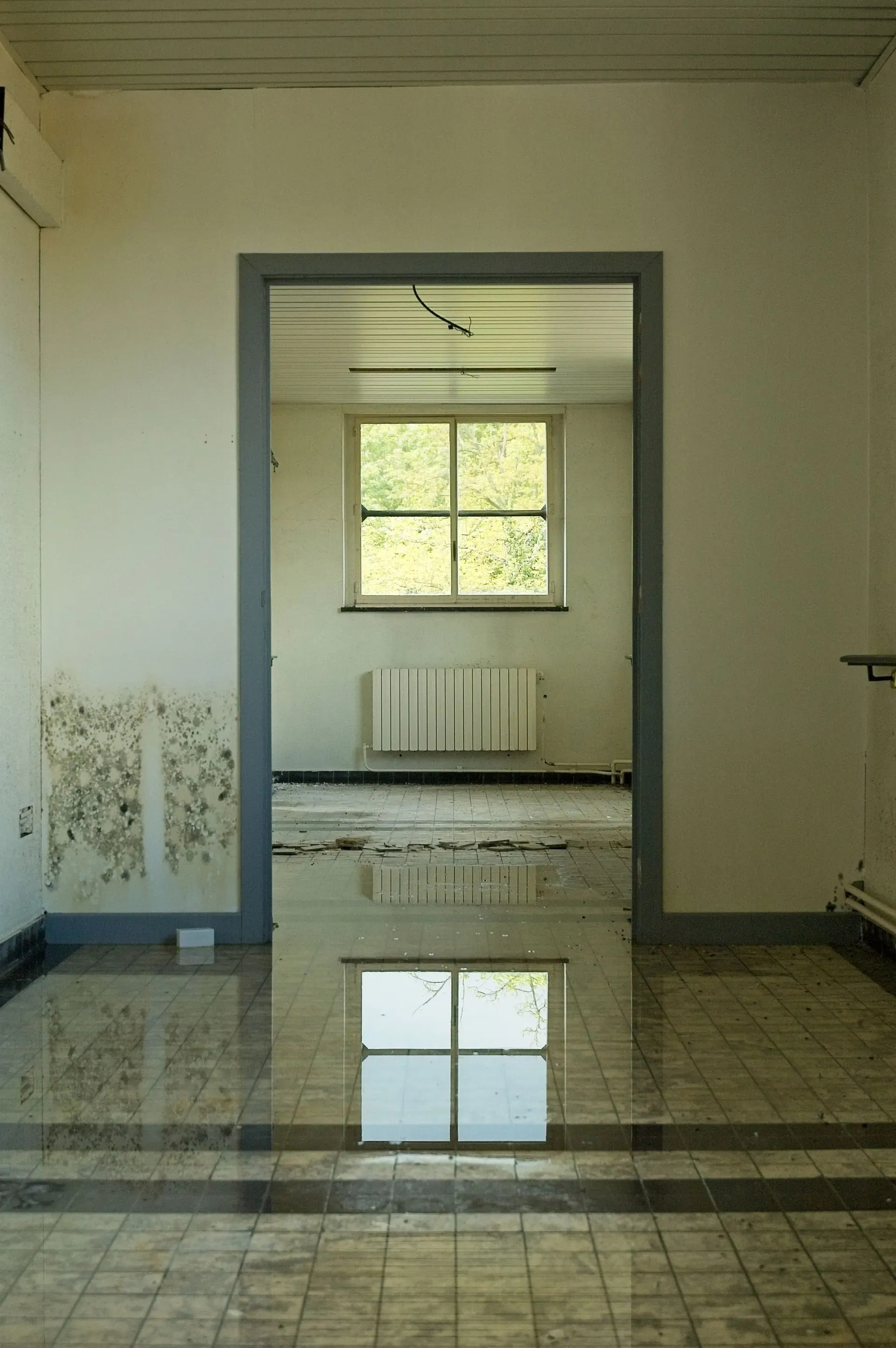
Condos are where Miami Beach mold problems get complicated. Shared walls, shared plumbing, shared HVAC infrastructure, and shared responsibility all converge, and moisture doesn’t stop at a unit boundary. Here’s what condo owners, HOAs, and property managers should understand.
Why condos are especially vulnerable
A single-family home has one owner and one envelope. A condo has dozens of owners sharing chases, plumbing risers, common walls, and often a central HVAC design. That means:
- Moisture travels between units. A leak in a unit above or beside you can wet your ceiling or wall before you ever see water. By the time staining appears, materials have often been damp for weeks.
- Shared plumbing risers fail silently. A slow leak inside a wall chase wets framing and drywall in adjacent units. The source unit may have no visible damage while neighbors do.
- Stack effect moves air and spores. In tall towers, common in Mid-Beach, stack effect pulls air through shafts and corridors, distributing moisture and spores across many floors from a single source. A musty hallway is often far from the actual problem.
- Central and split AC systems interact. Pressurized corridors, shared condensate drainage, and unit-level AC failures all create moisture paths that cross ownership lines.
Who’s responsible?
This is the question that makes condo mold stressful. Responsibility usually depends on where the moisture source is and where the damage appears, and those are often different units. An inspection that documents the moisture path is what untangles it. Without a documented path, owners and HOAs end up arguing instead of fixing.
A good inspection report answers three questions for the association:
- Where is the moisture entering? (the source)
- Where did it travel? (the path)
- What materials are affected and need action? (the scope)
That documentation is what owners, property managers, and insurance need to allocate responsibility without escalation.
What owners can do
- Report leaks immediately, even small ones, to management. The 24–48 hour window matters.
- Watch your AC. Condensate overflow is a top cause of condo water damage. If you see staining near the air handler or drain pan, get it checked.
- Don’t ignore a musty smell. In a shared-wall building, odor often means moisture is active somewhere in the assembly, possibly a neighboring unit.
- Keep humidity in check. A unit-level dehumidifier protects your finishes even when building-wide humidity is high.
What HOAs and property managers can do
- Have a clear inspection protocol for reported leaks and stains, including documentation that travels with the unit file.
- Coordinate containment during remediation so neighboring units are protected. In shared buildings, containment and negative pressure aren’t optional; remediation that spreads spores to adjacent units becomes everyone’s problem.
- Require post-remediation verification before walls are closed or a unit is reoccupied, especially in shared buildings.
When to involve a professional
If you’re an owner seeing recurring staining, a musty odor, or damage that seems to come from a neighboring unit, an inspection documents the path so the right party can act. If you’re a property manager, building a relationship with a local inspector who understands Miami Beach condo construction means faster, better-documented responses when something goes wrong.
Condo mold is solvable. The key is tracing the moisture path and documenting it clearly so responsibility and remediation are straightforward. Call 305-539-9062 to talk through what you’re seeing.
Have a mold or moisture question?
Call 305-539-9062 for a calm, local conversation, or send the basics by email. We'll help you figure out the next right step.