
Why Miami Beach Humidity Causes Mold Problems
How Miami Beach's coastal humidity, AC cycling, and building design create the conditions mold needs, plus what actually prevents it.
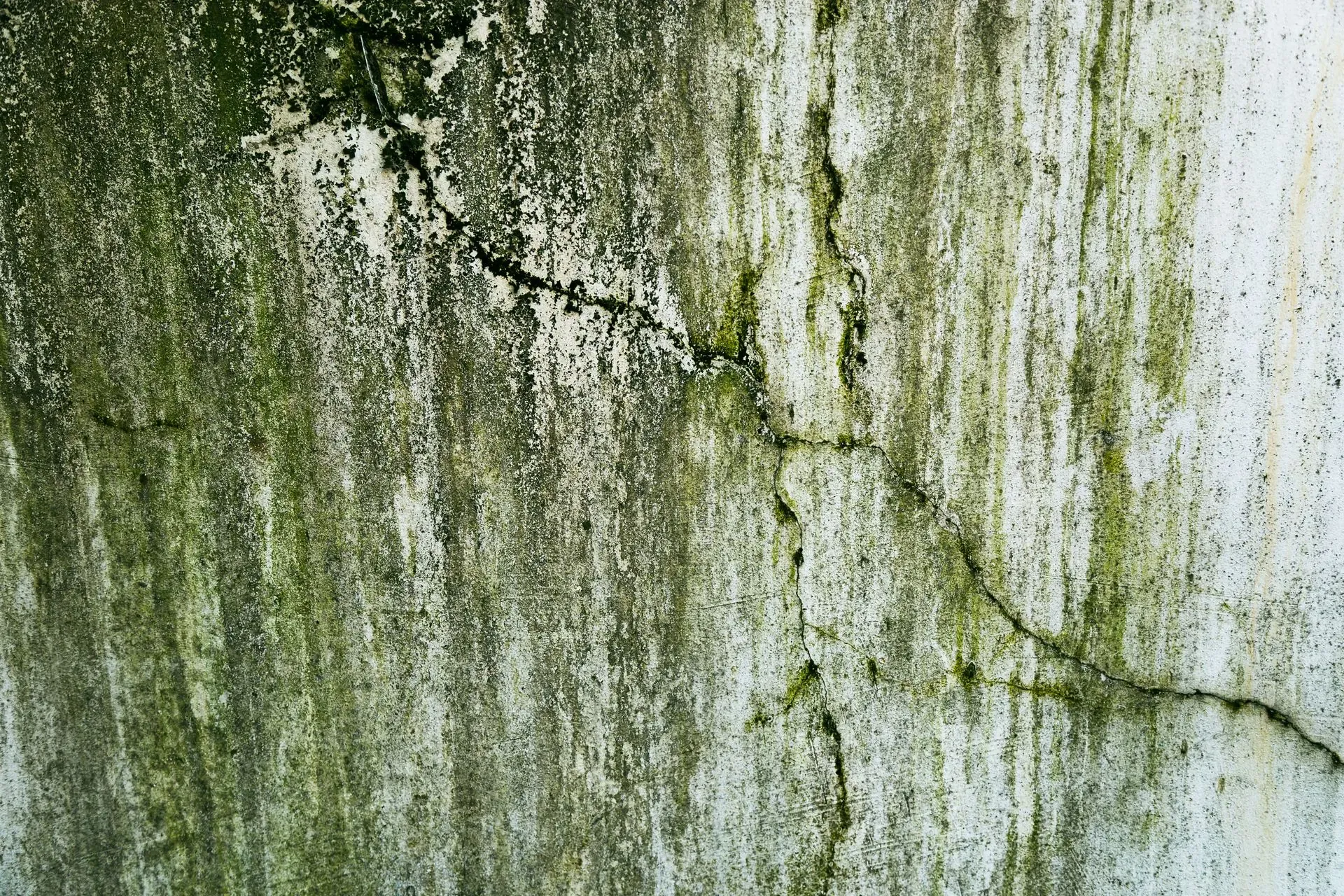
Miami Beach humidity isn’t a seasonal annoyance. It’s a year-round structural force. Understanding how it interacts with buildings is the difference between preventing mold and chasing it.
Humidity alone can cause mold
A leak isn’t required. When indoor humidity stays above 60% for long stretches, surfaces and materials stay damp enough to support growth, especially on cool surfaces where condensation forms. In Miami Beach, the outdoor air regularly sits above that threshold, so the question is whether your building’s interior can keep up.
The surfaces most at risk are the cool ones:
- AC supply vents and the ceiling around them, where cold dry air meets humid room air.
- Closets and cabinets against exterior walls, where airflow is poor and the wall stays cool.
- Bathrooms without adequate exhaust, where shower moisture has nowhere to go.
- Exterior-facing walls and corners, where insulation gaps create cold spots.
The AC cycle is the hidden driver
Miami Beach interiors cycle between humid outdoor air and cold AC. Every time warm humid air hits a cold surface, water condenses. That’s why staining around vents is so common here; it’s not a leak, it’s the system doing its job in an environment it was never fully sized for.
When an AC system is oversized, it short-cycles: it cools fast but doesn’t run long enough to dehumidify. The result is a cold, clammy interior with high relative humidity, the exact conditions mold needs. An undersized or aging system runs constantly, stressing drain lines that can clog and overflow into wall cavities.
Condos and shared walls compound it
In condos, humidity doesn’t respect unit boundaries. Shared plumbing chases, common walls, and pressurized corridors move air, and moisture, between units. A humidity problem in one unit can show up as staining in the next, and the source is rarely where the stain is. Mid-Beach high-rise towers add stack effect, where tall buildings pull air through shafts across many floors.
What actually prevents humidity mold
Prevention is mostly about managing moisture at the source:
- Keep indoor humidity between 30–50%. A dedicated dehumidifier or right-sized AC does more than any cleaning product.
- Run exhaust fans in bathrooms and kitchens, and make sure they vent outside, not into a wall cavity.
- Don’t block airflow against exterior walls. Keep furniture and stored items a few inches off cold walls, especially in closets.
- Maintain the AC drain line. A clogged condensate line is a top cause of water in walls and ceilings.
- Address leaks within 24–48 hours. The window between a moisture event and mold growth is short. Water damage mold inspection after a leak maps what got wet before growth establishes.
When prevention isn’t enough
If you’ve done the above and a musty odor or staining persists, there’s likely a hidden moisture source: a slow leak, a failed seal, or condensation inside a wall assembly. That’s when an inspection earns its keep: it finds the path the moisture is taking so you can fix the cause, not just the symptom.
Humidity in Miami Beach isn’t going away. The buildings that stay healthy are the ones that manage it deliberately. Call 305-539-9062 if you want a calm read on what your property is telling you.
Have a mold or moisture question?
Call 305-539-9062 for a calm, local conversation, or send the basics by email. We'll help you figure out the next right step.